
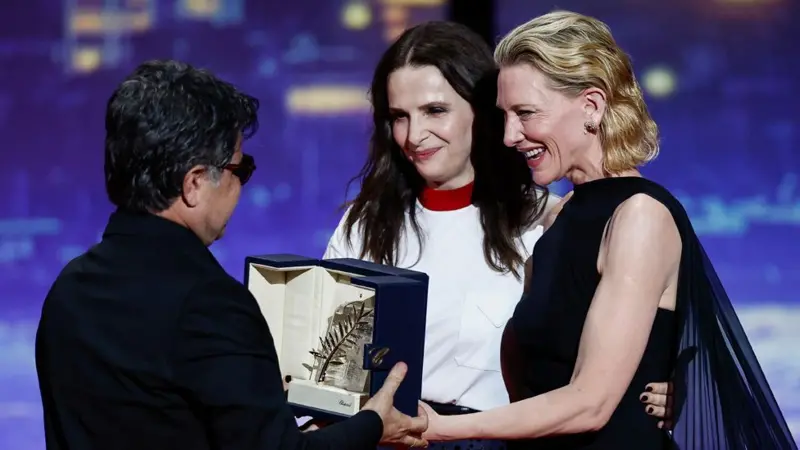
في لحظةٍ تُخلّد في ذاكرة السينما العالمية، وقف المخرج الإيراني الكبير جعفر بناهي على خشبة قصر المهرجانات بمدينة كان، ليُتَوَّج بجائزة السعفة الذهبية في الدورة الثامنة والسبعين لمهرجان كان السينمائي الدولي لعام 2025 عن فيلمه الجديد “It Was Just an Accident”. هذا التتويج ليس فقط انتصارًا فنّيًا، بل هو أيضًا نداءٌ عميق لصوت السينما الحرة والواعية التي تشتغل على تخوم السياسة، وتقاوم من أجل التعبير الحر والمستقل.
السياق السياسي والفني – حين تصبح السينما مقاومة
جعفر بناهي ليس مجرد مخرج يقدّم أفلامًا متميزة، بل هو فنان مقاوم، لا ينفصل إنتاجه عن الظرف السياسي والاجتماعي الذي يعيشه. فقد مُنع من السفر وصناعة الأفلام لسنوات، لكنه واصل تصوير أعماله بوسائل سرّية، متحديًا الرقابة والملاحقة. يُعد فوزه في “كان” اعترافًا عالميًا بعبقرية سينمائي يقاوم بالعدسة، ويؤمن بأن الكاميرا يمكن أن تكون أداة تحرّر وتنوير.
الفيلم الفائز “It Was Just an Accident” يأتي في هذا السياق كتتويج لمسيرة طويلة من النضال الفني. العنوان بحد ذاته يشي بسخرية مُبطّنة من تبريرات الأنظمة القمعية لأفعالها، ويوحي بإدانة ضمنية لما يُرتكب باسم “الصدفة” أو “الخطأ البشري”.
عن الفيلم – سردية بسيطة تحمل عمقًا سياسيًا
يروي الفيلم قصة شاب إيراني يعيش في حيّ شعبي بطهران، تتقاطع حياته مع حادث مرور بسيط في الظاهر، لكنه يفتح أبوابًا لجحيم بيروقراطي، قضائي وأمني، يفضح هشاشة الإنسان داخل أنظمة سلطوية تستعمل كل حدث عرضي لتحويله إلى آلية قمع أو ابتزاز أو توجيه. يتحوّل “الخطأ البسيط” إلى محاكمة وجودية، تجعل من البطل شاهدًا وضحية في آن واحد.
السيناريو يتقدّم بتدرّج نفسي بطيء، لكن ثابت، حيث تتكشّف طبقات السرد من الواقعي إلى الرمزي، ومن الفردي إلى الجماعي، لتصير الحكاية مرآة لواقع بلد كامل.
لغة سينمائية متقشفة ولكن فاعلة
تميّز الفيلم بأسلوب بصري متقشّف – كما هي عادة بناهي – يبتعد عن التكلّف، ويستند إلى الواقعية العارية. توظيف الكاميرا المحمولة، والإضاءة الطبيعية، والمَشاهد ذات اللقطة الواحدة الطويلة (long takes) كلّها عناصر تخلق نوعًا من الحميمية والاختناق في آنٍ معًا.
يعتمد بناهي في معظم مشاهده على أداء غير محترف أو شبه وثائقي، ما يضيف مصداقية عالية، ويعزز الإيهام بالواقع. هذه اللغة السينمائية هي امتداد لنهجه القائم على “سينما المقاومة” – مقاومة الزيف والسطحية، ومقاومة الرقابة والمؤسسة.

التشريح الطبقي والبيروقراطي للمجتمع الإيراني
الفيلم لا يتوقّف عند نقد السلطة السياسية فقط، بل يتوسّع نحو تحليل اجتماعي دقيق. من خلال مشهدية المحكمة، ومكاتب الشرطة، والشوارع المكتظة، تتكشّف لنا خريطة النظام الطبقي الإيراني، حيث يتحوّل الفقراء إلى وقودٍ لعجلة العدالة المختلّة.
الفيلم يُدين بصمتٍ النظام البيروقراطي الذي يخنق الفرد باسم القانون، ويعرّي كيف تُستخدم الأخطاء العابرة كوسيلة للسيطرة، والتحكم، وفرض الشعور بالذنب.
التمثيل – عفوية تقاوم الاحتراف المزيّف
بطولة الفيلم كانت من نصيب وجوه جديدة، وهو نهج تبنّاه بناهي منذ سنوات. الأداء هنا لا يركّز على المهارة التمثيلية بالمعنى الأكاديمي، بل على العفوية والصدق. هذا الاختيار يُعزّز من نزعة الفيلم الواقعية ويقوّي تأثيره العاطفي والسياسي.
أداء الممثل الرئيسي (الذي يُقال إنه غير محترف) كان خافتًا ومُكبوتًا، ما يعكس تمامًا روح الشخصية المُنهَكة، والتي تمثّل شريحة واسعة من الشعب الإيراني. هذا النوع من التمثيل غير المتكلف هو ما يجعل الفيلم يلامس المشاهد مباشرة، دون حاجز جمالي أو درامي.
السعفة الذهبية – رمزية الاعتراف الدولي بالسينما المقاومة
فوز “It Was Just an Accident” بالسعفة الذهبية لا يمكن قراءته فقط كتكريم لفيلم جيد، بل كتصويت رمزي من المؤسسة السينمائية الدولية للسينما التي تُقاوم القمع. في عالمٍ تُستخدم فيه الثقافة كسلاح ناعم للسلطة، يبرز بناهي كصوت مضاد، حر، وغير قابل للتدجين.
إنها ليست فقط جائزة لفيلم، بل رسالة إلى العالم: السينما لا تزال قادرة على إحداث الصدمة، طرح الأسئلة، ومساءلة السلطة.

مقارنة مع أفلامه السابقة – استمرار أم تحول؟
بناهي لطالما قدّم أفلامًا نقدية مثل “Taxi Tehran” و*”No Bears”* و*”The Circle”*، لكن فيلمه الجديد يُمثل ذروة هذا التوجّه، من حيث تكثيف الرمزية، وبساطة البناء، وعمق التأويل.
الفارق هنا هو أن “It Was Just an Accident” أكثر هدوءًا، لكنه أكثر إيلامًا. إنه أشبه بصراخ مكتوم، لا يحتاج إلى صخب ليُحدث تأثيره. وهذا ما يجعله فيلمًا ناضجًا على جميع الأصعدة.
الاستقبال النقدي – إجماع عالمي
حظي الفيلم باستقبال نقدي حارّ منذ عرضه الأول في كان. كتبت The Guardian أن الفيلم “يُظهر قوة السينما عندما تُوظّف كسلاح للحرية”. أما Le Monde فقد أشادت بـ“بناء سردي دقيق ينهش في قلب السلطة بلا خطابة”. وأجمعت مجلات متخصصة مثل Cineuropa وSight & Sound على أن الفيلم يمثّل لحظة فنية وإنسانية نادرة في تاريخ المهرجان.
انتصار السينما المستقلة والضمير الإنساني
فوز جعفر بناهي بالسعفة الذهبية عن فيلمه “It Was Just an Accident” هو انتصارٌ للسينما المستقلة، الجريئة، والمُخلصة لقضايا الإنسان. إنه تذكيرٌ بأن السينما ليست فقط ترفيهًا أو فنًا بصريًا، بل يمكن أن تكون مقاومة، ذاكرة، ومحكمة أخلاقية.
هذا الفيلم لن يُنسى، ليس فقط لأنه نال أرفع جائزة في مهرجان كان، بل لأنه أعاد الاعتبار لمعنى أن تكون السينما في خدمة الحقيقة.
Jafar Panahi Wins the Palme d’Or: A Critical Reading of It Was Just an Accident
In a moment that will be immortalized in the annals of global cinema, Iranian filmmaker Jafar Panahi stood on the stage of the Palais des Festivals in Cannes to receive the Palme d’Or at the 78th Cannes Film Festival (2025) for his new film, It Was Just an Accident. This triumph is not only an artistic victory—it is also a profound testament to the voice of free, conscious cinema that operates on the borders of politics and resists in the name of expression
Political and Artistic Context: When Cinema Becomes Resistance
Jafar Panahi is not merely a filmmaker delivering great movies; he is a resistant artist whose work is inseparable from the political and social reality of his country. Despite being banned from filmmaking and international travel for years, Panahi continued to create films in secrecy, challenging censorship and persecution. His victory in Cannes is a global recognition of a filmmaker who resists with the camera and believes in cinema as a tool for emancipation and enlightenment
The winning film, It Was Just an Accident, emerges as a culmination of a long journey of artistic defiance. The title itself conveys a bitter irony—mocking authoritarian justifications of oppressive acts as mere “mistakes” or unfortunate coincidences
About the Film: A Simple Story with Political Depth
The film follows the story of a young Iranian man from a working-class neighborhood in Tehran whose life changes after a seemingly minor traffic accident. What starts as a trivial incident soon spirals into a bureaucratic, judicial, and psychological ordeal—exposing how fragile the individual is within authoritarian systems that weaponize error as control
The narrative unfolds with slow psychological intensity, transitioning from realism to symbolism, and from the personal to the collective. The story becomes a reflection of an entire nation’s experience
Cinematic Language: Minimalist but Powerful
True to Panahi’s signature style, the film embraces a minimalist visual approach: handheld camera work, natural lighting, and extended long takes create an atmosphere of both intimacy and suffocation. This visual language immerses the viewer into the protagonist’s daily life and internal turmoil
Panahi often works with non-professional actors, blurring the lines between fiction and reality. This aesthetic choice enhances the film’s authenticity and further anchors its emotional and political impact
A Social and Bureaucratic Dissection of Iranian Society
The film critiques not just political repression but also the social and bureaucratic structures that uphold it. Through scenes in courtrooms, police stations, and overcrowded urban spaces, the film maps the class divide and shows how the poor become the main victims of a dysfunctional justice system
It Was Just an Accident reveals how institutions transform minor incidents into instruments of control—reducing the individual to guilt-ridden, silenced bodies in a surveilled society

Performances: Raw, Unpolished, and True
As with many of Panahi’s films, the cast comprises new or non-professional actors. This decision strengthens the film’s documentary-like tone and avoids the artificiality often found in polished performances
The lead actor delivers a subdued and restrained performance, echoing the fatigue and vulnerability of his character—an embodiment of millions of silenced citizens. It is precisely this understated acting that makes the film profoundly moving
The Palme d’Or: A Symbol of Endorsement for Resistant Cinema
The film’s Palme d’Or win is not just a recognition of artistic merit, but a symbolic vote of confidence from the global cinematic community in favor of courageous and free expression. In a world where culture is often weaponized by power, Panahi emerges as an unyielding voice of dissent
This award is more than a prize—it is a message: cinema still matters, and it still has the power to shake consciences and question authority
Comparison with Previous Works: Continuity or Evolution?
While films like Taxi Tehran, No Bears, and The Circle also highlight systemic repression, It Was Just an Accident stands out as a peak in Panahi’s cinematic journey. Here, the symbolism is denser, the plot simpler, and the emotional impact deeper
What differentiates this film is its quiet rage—less confrontational on the surface, yet far more devastating in its psychological intensity. It’s a mature, masterful culmination of Panahi’s aesthetic and political vision
Critical Reception: Global Acclaim
Critics across the world praised the film. The Guardian described it as “a demonstration of cinema’s power when wielded as a weapon of freedom.” Le Monde lauded the “precise narrative structure that cuts deep into the heart of authoritarianism without a single rhetorical outburst.” Industry publications like Cineuropa and Sight & Sound hailed it as a rare fusion of artistic depth and ethical urgency
Conclusion: A Victory for Independent Cinema and Human Conscience
Jafar Panahi’s Palme d’Or for It Was Just an Accident is a triumph for independent, courageous, and humanist cinema. It is a powerful reminder that cinema is not merely entertainment or visual art—it can also be resistance, memory, and moral judgment
This film will not be forgotten—not just because it won the most prestigious prize at Cannes, but because it reaffirmed the enduring power of cinema to speak truth to power